
Facial Palsy Rehab
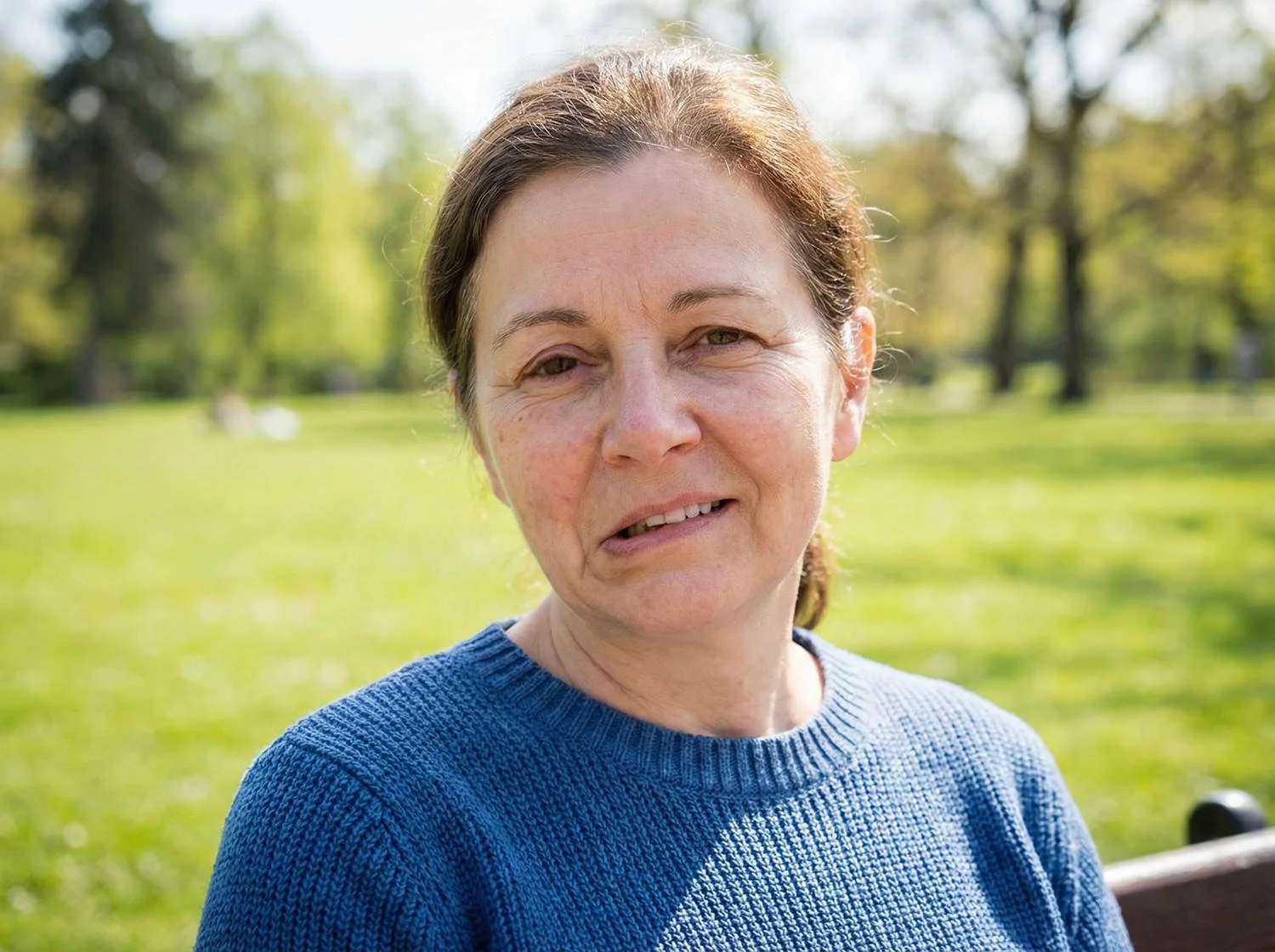
Facial palsy rehabilitation can help improve your face coordination and expression, if you have face muscle weakness or synkinesis due to facial nerve dysfunction. Our experienced therapists provide a comprehensive evaluation and will guide you in your recovery.
You will gain a better understanding of how your facial nerve and muscles work, why you are having difficulties, and practical strategies to manage your symptoms. Rehabilitation also involves soft tissue and muscle work to help normalize tone and retrain imbalanced movements.
Our primary clinic is located at Toronto General Hospital with a satellite clinic at Bridgepoint Hospital, and virtual care available throughout Ontario.
What is facial palsy rehabilitation?
Facial palsy rehabilitation is a non-surgical therapy that helps you relearn to move your face muscles in a natural way after an injury to the facial nerve. It is an individualized treatment program to improve face movement, coordination, and expression. This therapy is also referred to as facial nerve rehab or facial neuromuscular retraining.
What causes facial palsy?
Facial nerve palsy is caused by inflammation or damage to the nerve that controls the muscles of the face (the facial nerve or cranial nerve VII). This results in sudden weakness and inability to control one side of your face. Paralysis of the face muscles can cause drooping of your eyebrow and mouth, and difficulty closing your eye. You may also experience excessive tearing or dryness of one eye, hypersensitivity to sound, problems with taste, or pain/abnormal sensations in your face. Facial paralysis can cause difficulty eating, drinking, or speaking, and problems communicating with facial expressions.
The most common cause of facial paralysis is Bell’s Palsy - this causes weakness on one side of the face that is usually temporary for most people. Ramsay Hunt syndrome also causes face muscle weakness, along with vestibular symptoms. Vestibular schwannoma (acoustic neuroma) can cause facial weakness, because the vestibular nerve and facial nerve are located close together. Other causes include Lyme disease, facial schwannomas, parotid tumors, pregnancy (3rd trimester), trauma, congenital or post surgery/radiation.
What is synkinesis?
Facial palsy rehabilitation can help improve synkinesis, which is when delayed facial nerve recovery results in abnormal and unwanted movements.
Signs of synkinesis may include:
Tightness in face muscles
Neck muscle tightness with face movements
Mouth movement like smiling or chewing causes your eye to narrow or close
Closing your eye causes your mouth to move or neck to tighten
Conditions we can help
Facial weakness due to facial nerve schwannoma
Facial weakness due to trauma, surgery or radiation
Synkinesis
Bell’s Palsy
Ramsay Hunt syndrome
Facial weakness due to vestibular schwannoma/acoustic neuroma
What happens in facial palsy rehabilitation?

Assessment involves:
Evaluating facial muscle function, your face movements and expressions
Photos and videos to track your recovery
Intra-oral Exam
Understanding your symptoms and how they are affecting you
Treatment depends on the cause of your facial palsy, how long you have had it, and the type of damage to your facial nerve. Treatment involves:
Helping you understand how the facial nerve and muscles work
Education on stages of nerve injuries and expectations for healing with each stage
Advice about eye care, how to make speaking easier, how to make drinking and eating easier, and how to manage symptoms of dry mouth or dry eye
Soft tissue work to do at home daily including massage and stretching to help normalize the tone on both sides of the face
Muscle work to help relearn precise coordination for movement and facial expressions
Retraining imbalanced or unwanted face movements
Treatments may involve referral to other members of the multidisciplinary team at UHN including ENT, plastics, neurology or psychiatry
Fees
In-clinic and virtual appointments
$180
New patient assessment
90 minutes
Comprehensive assessment, clinical diagnosis, communication with your physician, and starting your treatment program. Call 416 697-1002 or book online.
**Our rates will increase as of November 1, 2026: 90 min assessment - $195
$130
Follow up appointment
60 minutes
Individualized treatment, including re-evaluation and progressing your program. Call 416 697-1002 or book online.
**Our rates will increase as of November 1, 2026: 60 min follow up - $140
Policies
Cancellations
Please let us know as soon as possible if you are not able to make your appointment. We require 24 hours notice for cancellations. Late cancellations and no shows are billed at the full rate.
Payment
We accept Visa, Mastercard, and debit.